

72·
2 days agoCounter-point: why would want to own and maintain something like a computer? I want a simple device that take no thought and can be replaced with zero effort.
Counter-point: why would want to own and maintain something like a computer? I want a simple device that take no thought and can be replaced with zero effort.

The Republican-controlled board’s newest rule allows county officials to delay certification if poll workers comply imperfectly with their long list of new and old rules—irregularities they can call “malfeasant.” And if that’s not intimidating enough, the Board also ruled that poll watchers, those watchdogs volunteering from both the Right and the Left, should have closer physical access—even though most have had only two hours of training, even though most are not familiar enough with protocol to know what “normal” is supposed to look like.
That still happens.
I’ve heard a lot strange stuff about OP, but I don’t care. They’re pretty awesome.
And people like me.
Only one is god awful. The other is decent. Not perfect, but decent.
Trump has said he’d break due process when it comes to guns before too. I guess if easy gun access is your goal then neither option looks great.

I feel like they should have tied this somehow to an existing hotel instead of trying to make a completely new one with such a small number of rooms and high overhead cost.
While I don’t care for Disney entertainment much, I have friends that love everything about Disney. They go nearly every weekend and when you ask them about it they smile the entire time as they talk about it for the next hour. Why would I want to take that away from them?
I’m still watching, but it feels like they didn’t bring in people from their parks, hotels, and cruise ships to consult or manage taking the concept from design to execution.
I would not want to be on the bad side of Taylor Swift. She holds grudges and puts in the work to obliterate people in her way. She has the money and following to make a real difference.
https://www.npr.org/2024/09/11/nx-s1-5107973/kamala-harris-gun-owner-debate-donald-trump
Sounds like a pretty reasonable stance.
I don’t think they were voters. Now they will be. Just look at how she’s impacted NFL.
It’s over now right?
“i’m a gun owner, we’re not taking guns away.” strongest opinion from a democrat i’ve heard on this topic.
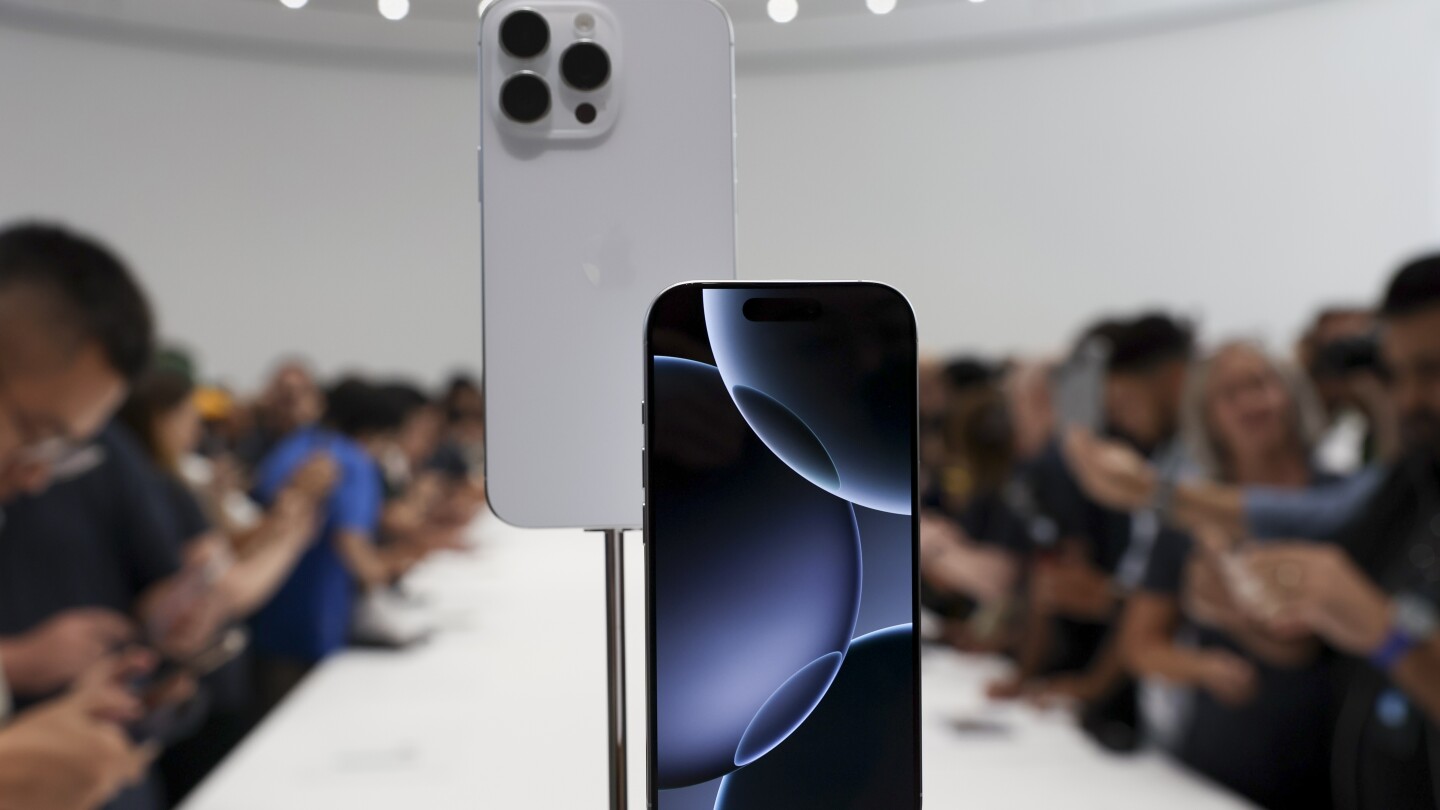
Understated. I’m so happy my upgrade from a 10 to a 15 (I think it’s a 15?) was boring. I don’t need to learn a lot of nee ways to use my smartphone, I just need to replace it and get back to my life.
Do you want red chili sauce or green chili sauce on those chips?
Add a wireless AP to your pc and create an adhoc wifi network for your vr to connect to your pc directly.




Gotta find it, install it, update it occasionally etc. cloud services don’t need that.